

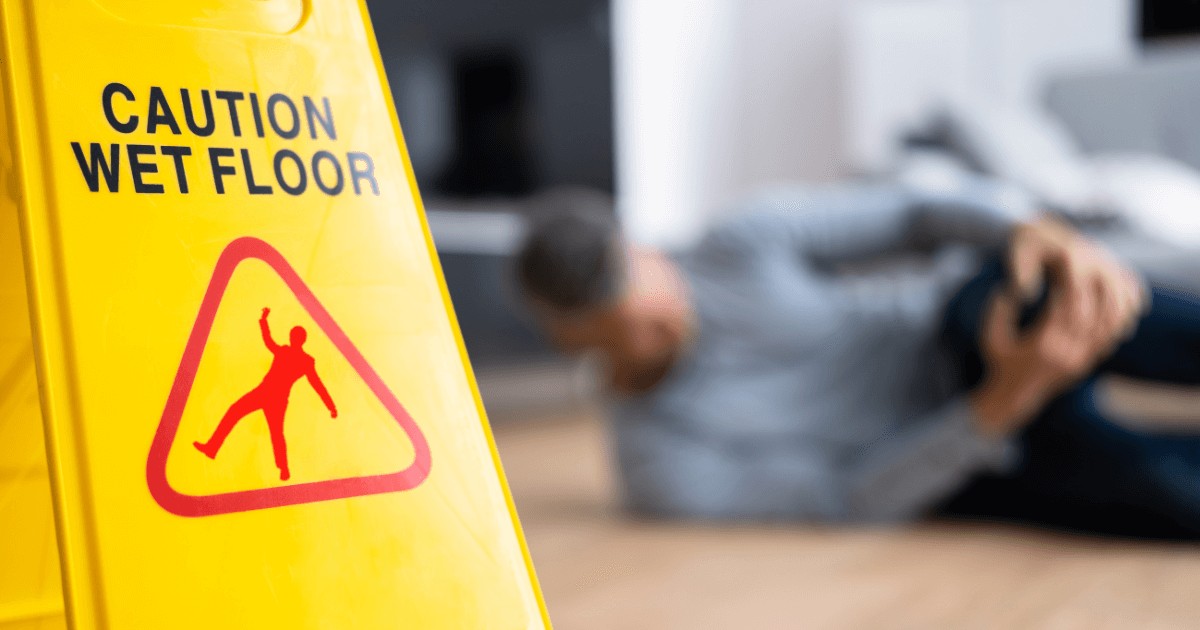
Phoenix Slip and Fall Cases: What You Must Prove to Win
Slip and fall claims face more skepticism than almost any other personal injury type in Phoenix. Insurance companies, defense attorneys, and even judges often view them suspiciously—assuming claimants are trying to profit from accidents they caused themselves. This cultural bias makes legitimately serious slip and fall cases harder to win than they should be. Phoenix victims need attorneys who know how to build cases that overcome it.
Not every fall is somebody’s legal fault. But when property owners create or knowingly ignore dangerous conditions that injure visitors, Arizona premises liability law holds them accountable. The key is evidence—specifically evidence proving the owner knew the hazard existed and failed to act.
The Four Elements Arizona Courts Require
To succeed in an Arizona slip and fall case you must prove: the property owner owed you a duty of care (most business visitors qualify as invitees, the highest-protection category); a dangerous condition existed on the property; the owner knew or should have known about it through reasonable inspection; and that condition caused your fall and injuries. Each element needs evidence. Insurance companies attack all four.
Constructive Notice: The Most Contested Issue
When a spill or hazard isn’t something the owner created, you must prove ‘constructive notice’—that the condition existed long enough that a reasonable inspection program would have found it. Surveillance footage showing the hazard existed for 45 minutes before your fall establishes this. A worn, dirty, or oxidized appearance suggesting an old condition establishes this. Prior complaints logged by staff establish this. Evidence of when the area was last inspected establishes this.
Top Personal Injury Attorneys in Phoenix
- Avian Law Group
Avian Law Group’s Phoenix personal injury attorneys handle slip and fall cases with investigation specifically designed to prove the constructive notice element. They send evidence preservation letters immediately—demanding that surveillance footage, cleaning logs, inspection schedules, and prior incident reports be preserved before routine deletion. Most commercial properties delete footage on 30–90 day cycles; waiting costs cases.
They investigate retail-specific evidence: maintenance schedule documentation, floor inspection frequency logs, prior incidents at the same location, and employee statements about awareness of hazardous conditions. Expert witnesses testify about the industry standards these properties are held to. All cases handled on contingency.
- The Dominguez Firm
Arizona premises liability experience with surveillance footage analysis and expert testimony on property management standards.
- Citywide Law Group
Prompt scene investigation before evidence changes or disappears; thorough injury documentation from emergency treatment through full recovery.
- West Coast Trial Lawyers
Trial readiness that shifts settlement dynamics when national retailers use their size to resist legitimate claims.
- The Reeves Law Group
Systematic evidence gathering capturing every relevant category in commercial premises cases.
Arizona’s Open and Obvious Defense—and Its Limits
Property owners frequently argue that hazards were ‘open and obvious’ and therefore visible to any reasonable person. Arizona law recognizes this defense but limits it significantly. Even obvious hazards may require remediation when the owner knows visitors are likely to encounter them despite visibility. Lighting conditions, environmental distractions, and reasonable visitor expectations all affect whether a hazard was truly ‘obvious’ in context.
After falls, document everything immediately: photograph the hazard and surrounding area, note the lighting conditions, get witness contact information, and report to property management. Arizona’s two-year statute of limitations applies, but evidence windows are much shorter.